Be Happy

March 20th is International Day of Happiness.

The benefits of feeling happy

  • It can help build stronger social relationships
  • Being happy can boost your immune system and provide a stronger resistance to being ill
  • A happy outlook can help boost cognitive functioning and improve decision making.
  • It has been suggested that it can improve life expectancy.

So how do we practice being happy.

Life is full of challenges, and it can be difficult to remain positive and happy all the time, so here are some tips to help when you are struggling.

  • Exercise boosts endorphins and can help your mental wellbeing- especially if you are out in nature.
  • Be grateful – it doesn’t matter how small a thing but being grateful improves our mood. There are many things that we take for granted every day – water, heating, (not everyone has access to these) being a sunny day, some-one paying you a compliment. Make a note of them.
  • Meditation has been shown to reduce stress and anxiety and can also increase gray matter in the hippocampus, which is linked to emotion and memory.
  • Helping others, increases our self-worth and can make us and the people we are helping feel grateful and happy. It’s a win win situation.
  • Sleep is an important factor. it is hard to feel happy if we are lacking sleep.
  • Switch off social media. It is important to take a break from this on a regular basis.

I hope this helps – above all have a happy day.


Be happy

March is Endometriosis Awareness Month

Endometriosis Awareness Month is celebrated every March to raise awareness of endometriosis, a chronic disease that affects many women.

Endometriosis is a condition which affects millions of women globally, but is still remains veiled in mystery and misconceptions. Endometriosis Awareness Month looks to  bring knowledge, support, and understanding to the forefront.

What is endometriosis?

  • Endometriosis occurs when tissue similar to the uterine lining grows outside of the uterus and becomes inflamed.
  • Symptoms include lower abdominal pain, abnormal periods, and fatigue.
  • It can be difficult to diagnose because of vague symptoms.
  • A definitive diagnosis requires surgery.

Recognise the signs and symptoms of endometriosis on the bowel?

Bowel endometriosis symptoms are similar to those of irritable bowel syndrome; but can vary with the menstrual cycle, worsening in the days before and during a period. If you suspect you have bowel endometriosis, keep note of your symptoms to look for a monthly pattern.

The symptoms include:

  • Pain on opening the bowels (dyschezia)
  • Deep pelvic pain during sex (dyspareunia)
  • In some cases, rectal bleeding during a period

How you can help yourself  with Endometriosis

Seeing your GP is essential.

Physical Therapy 

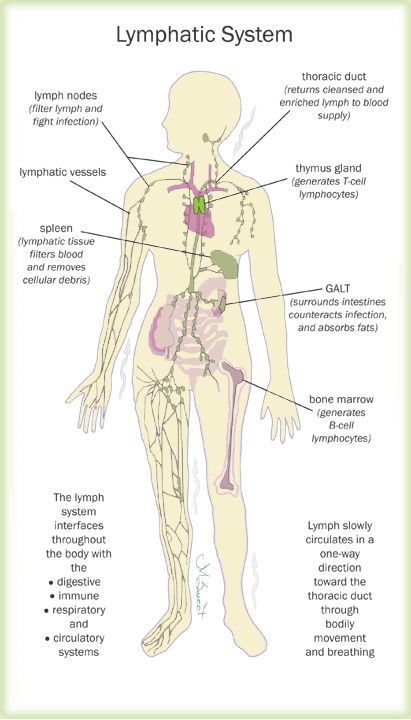
I have many clients who come to me with endometriosis and they all report their symptoms are reduced after a Lymphatic Drainage or Bowen Therapy treatment

Heat

Having a warm bath or placing a heating pad or hot water bottle on the lower abdomen can help relax cramping pelvic muscles and reduce pain.

Diet

More research is needed, but it is believed that minimizing eating red meat increasing your intake of fruits, vegetables, and whole grains can help with symptoms.

Potentially heavily processed foods that contain dairy, gluten and sugars can make you feel worse.

I always think that keeping a food diary is a great idea as you will get to recognise the foods that trigger you and each person is different.

Rest

Take time each day to rest.

Reduce Stress

Practice Yoga, meditation, deep breathing, do for a walk in nature, read - do something that you enjoy even if only for 10 mins a day.

Endometriosis UK is a registered charity who provide information and support.


Endometriosis

Self-Care

November 18th to 24th is Self-Care Week

What is self-care?
Self-care is any activity that we do deliberately to take care of our mental, emotional, and physical health. Although it’s a simple concept in theory, it’s something we very often overlook.

Good self-care is key to an improved mood and reduced anxiety. It’s also important to having a good relationship with oneself and others.

Self-care isn’t a selfish act. It is not only about considering our needs, but is about knowing what we need to do to take care of ourselves, and subsequently able to take care of others as well.

In other words, self-care is the key to living a balanced life

That is, if I don’t take enough care of myself, I won’t be in the place to give to my loved ones either.

Some Ideas for Self-Care

 Make sleep part of your self-care routine. 

Sleep can have a huge effect on how you feel both emotionally and physically. Not getting enough can even cause major health issues and stress and other and other distractions can wreak havoc on our sleep

Take care of yourself by taking care of your gut.

Your gut health can have a significant impact on your health, well-being, and feelings of vitality.

Exercise daily as part of your self-care routine. 

We all know exercise is good for us, but do we really know how good it is? Daily exercise can help you both physically and mentally. It can boost your mood and reduce stress and anxiety not to mention helping you shed extra weight which can help our self-esteem and energy levels.

Eat right for self-care. 

The food we eat has the potential to either keep us healthy or contribute to weight gain and diseases such as diabetes. and also keep our minds working and alert.

Say no to others and say yes to your self-care. 

Learning to say no is hard. Many of us feel obligated to say yes when someone asks for our time or energy. However, if you’re already stressed or overworked, saying yes to loved ones or coworkers can lead to burn-out anxiety, and irritability.

Take a self-care break by getting outside. 

Spending time outside can help you reduce stress, lower your blood pressure, and be more mindful. Studies have even shown that getting outside can help reduce fatigue, making it a great way to overcome symptoms of depression or burnout. Getting outside can also help you sleep better at night, especially if you do some physical activity, like gardening, hiking, or walking while you are outside.

Let a pet help you with your self -care. I love this one!

Pets can bring a boost to our lives. From giving unconditional love to providing companionship, pets can be hugely beneficial for our self-care.

Take care of yourself by getting organized. 

Getting organized is often the first step to becoming healthier and it allows you to figure out exactly what you need to do to take better care of yourself.

Read a book.

Rather than turning to technology, read a book, you may be amazed at the difference on your mood when you read a book rather than scrolling through a mobile or laptop. It also will potentially slow you down.

Schedule your self-care time, and guard that time with everything you have. 

It can be hard for us all to find extra time. But it’s extremely important to plan regular self-care time. Moments alone can help you to ponder the best ways to move forward in your life and keep you grounded. Moments with friends can help you feel more connected and relaxed.


Self-Care

Alzheimer’s and Dementia

September is "Awareness of Alzheimer's Month"


The figures are frightening; 

According to Alzheimer's Society, there are currently an estimated 982,000 people in the UK living with dementia, and this number is expected to increase to 1.4 million by 2040. This is due to population growth and an aging population.

Here are some other facts about dementia in the UK:

  • Over 70,000 people in the UK have young onset dementia, which means symptoms developed before the age of 65.
  • Around 60% of people who receive homecare support have dementia.
  • The risk of Alzheimer's disease increases with age, affecting 1 in 14 people over the age of 65 and 1 in every 6 people over the age of 80.


What is Alzheimer’s disease?

Alzheimer’s disease is the most common cause of dementia, affecting around six in every 10 people with dementia in the UK. Some people can have more than one type of dementia, for example, they might have Alzheimer’s as well as vascular dementia or dementia with Lewy bodies. This is often called ‘mixed dementia’.

As we age our brains naturally shrink a little and our thought processes slow down. However, in Alzheimer’s disease, changes that occur in the brain are different to the changes seen in normal ageing. These changes include the build-up of two proteins, called amyloid and tau. Although researchers don’t yet have a complete understanding of what triggers this, both proteins are involved in the development of Alzheimer’s. As the disease progresses, the protein build-up damages more and more brain cells. This damage affects how our brains work and leads to the symptoms of Alzheimer’s

Symptoms and Lifestyle Choices

Person with dementiaEarly symptoms of Alzheimer’s may include:

  • Repeating things.
  • Remembering faces, places, directions.
  • Misplacing items or putting them in unusual places.
  • Not communication clearly and forgetting what they are saying.
  • Becoming anxious, irritable, mood swings.
  • Losing self confidence and isolating themselves more.
  • Sleep patterns may change.
  • Carrying out everyday task like using the remote may become more difficult.
  • Balance may be compromised.
  • Swallowing may become more challenging.
  • Help with washing, dressing going to the toilet may be required.

Lifestyle

Your lifestyle can have a big impact on keeping your brain healthy and potentially lower your risk of Alzheimer’s.

1 Eat Healthily

Sometimes those are not foods that we expect to be healthy. I would always recommend eating foods that are as local as possible and preferably organic. I am currently reading a book by Dr David Perlmutter called “Grain Brain”. This is a fascinating read and will open your eyes to the way you view food. Also drink plenty of water.

2 Exercise Regularly

Taking part in an exercise we enjoy makes us feel better, it gets the body moving and helps reduce high blood sugar and high blood pressure. Keeping a healthy weight.

3 Reduce Stress

If you are feeling stressed on a regular basis, it is worth seeking therapy as stress can cause inflammation in the brain. Mindfulness, meditation, exercise, setting self-care time can all help alleviate stress.

4 Be Social

There are times when many of us need to be on our own to recharge our batteries and there is absolutely nothing wrong with this. If, however, it become the normal then it may lead to social anxiety or the inability to communicate. With the volume of different ways, we have of communication nowadays picking up a phone tends to be more of a luxury. Talking helps us to communicate and remember things. Cognitive impairment through lack of talking is linked to cognitive decline which is related to dementia and Alzheimer’s.

5 Stay mentally active

Do crossword puzzles, learn, read, do things which challenge the brain. It needs to be exercised too.

6 Sleep Well

Sleep is when the body and mind repair itself. Adopt a healthy bedtime routine and ensure you get adequate sleep.

7 Quit smoking, avoid excess alcohol and recreational drugs

The above three things are precursors for many physical ailments not just dementia.


Alzheimer's and Dementia

Know Your Blood Pressure Numbers

Facts about High Blood Pressure

Did you know that?

  • An estimated 1.28 billion adults aged 30–79 years worldwide have hypertension, most (two-thirds) living in low- and middle-income countries
  • An estimated 46% of adults with hypertension are unaware that they have the condition.
  • Less than half of adults (42%) with hypertension are diagnosed and treated.
  • Approximately 1 in 5 adults (21%) with hypertension have it under control.
  • Hypertension is a major cause of premature death worldwide.

These figures are taken from the “World Health Organisation”

What is a normal Blood Pressure Reading?

Blood pressureSystolic (top number) mm HgDiastolic (bottom number) mm Hg
LowLess than 90Less than 60
OptimalLess than 120Less than 80
Normal120–12980–84
Normal to high130–13985–89
HighGreater than 140Greater than 90


The above figures are taken from The Heart Research Institute. UK

Risk factors, symptoms and how to prevent High Blood Pressure.

Risk factors for High Blood Pressure are:

  • Poor diets.
  • Lack of exercise
  • Smoking
  • Excessive alcohol use
  • Being overweight
  • Poor Air Quality.

Symptoms

I would encourage everyone to either have their blood pressure taken regularly by a health professional or purchase a blood pressure reading machine that can be used at home. They are very easy to use and can be obtained from many outlets including “The British Heat Foundation" 

Many people are unaware they have high blood pressure as they do not experience any symptoms, but the common ones are:

  • severe headaches
  • chest pain
  • dizziness
  • difficulty breathing
  • nausea
  • vomiting
  • blurred vision or other vision changes
  • anxiety
  • confusion
  • buzzing in the ears
  • nosebleeds
  • abnormal heart rhythm

Prevention

There are many things you can do to help reduce your blood pressure or maintain a normal one.

  • Eat Healthily
  • Exercise regularly – including strength building exercises.
  • Drink alcohol sensibly
  • Reduce stress
  • Ensure you have sufficient sleep.

There is a wealth of information on the “WHO”’s website

However if you have any questions or wish to implement any of these preventative measures but are struggling to do so, then please give me a call and I am more than happy to help you implement them.

Know your Blood Pressure Numbers.

Simplicity Day

July 12th is Simplicity Day

Simplicity Day was founded in honour of Henry David Thoreau who was born on the 12th July 1817  and was an advocate of living simply.

David Thoreau believed simplifying life involved reducing distractions to focus more on important things in life. A simple life requires personal reflection and awareness of all aspects of life to determine what is most important to you.

With so much going on in our lives how do we live simply? Allowing ourselves some time to ‘get away from it all’ is not easy but is important.

Some ideas for getting how to benefit from Simplicity Day are:

  • Pick up a book
  • Unplug from your devices. You will be surprised at how refreshing it can feel to not be constantly plugged into everyone else’s life.
  • Try Mindfulness or Meditation.
  • Have  a relaxing therapy, such as Bowen Therapy, aromatherapy massage, reflexology, or hot stone massage – unfortunately this is not possible this year (owing to government guidelines  but it is something to bear on mind for next year)
  • Go for a walk.
  • Try a relaxing form of exercise, such as yoga or Tai Chi

What’s good about National Simplicity Day

It’s an excuse to unwind

Our lives are constantly scheduled out between jobs, school, workouts, childcare, etc. We often forget how taxing it can be to always be moving from one thing to the next. Simplicity Day gives us a chance to put all of those elements of our lives on pause, even if it’s just mentally, and focus on the importance of the simple things.

It celebrates getting back to nature

For Thoreau, a big part of living simply was getting away from the distractions of everyday life by spending time in nature. That could be in the woods, by a lake, on a beach, you name it. Spending time in nature also happens to be one of those special, simple pleasures with an extra perk: it’s free!

It’s an ancient idea

Although Simplicity Day is celebrated in honour of Thoreau, the principles behind it go back way further than the nineteenth century and span across many different cultures. From the founders of the yoga practice to monks of both eastern and western traditions, many groups of people through the ages have banded around philosophies that emphasized simplifying your life in both mental and material ways.

There is more information about Simplicity Day on the Clarity website https://nationalsimplicityday.com/


July 7th is “Thank You” Day

Why Saying "Thank You" is good for us

In positive psychology research, gratitude is strongly and consistently associated with greater happiness. Gratitude helps people feel more positive emotions, relish good experiences, improve their health, deal with adversity, and build strong relationships.

  • It can improve our relationships. Partners can feel more appreciated when they are told thank you for doing something rather than it being taken for granted.
  • It can improve our physical health. Saying thank you lowers blood pressure, improves immunity and helps us sleep better as we are more content.
  • It is well researched that gratitude increases happiness, decreases depression as well as enhances empathy and reduces aggression. It is hard to be angry with someone when you are being thanked.
  • It improves our self-esteem and well-being of those we give thanks to as it is a positive effect for both.

So saying thank you is not simply a matter of being polite it has numerous side benefits too.

There is some interesting information written by UCL Health

My latest newsletter

The latest news at A Balanced Body with Bowen

To find out the latest news and details of my new clinic please read my latest newsletter.


I hope you  enjoy it but if there is anything you would like covered in any future newsletters, please let me know.


Taster Sessions of Lymphatic Drainage and Bowen Therapy

25 minute Taster Sessions

Taster Sessions of Lymphatic Drainage and Bowen available at  The Fairbourne Clinic  in Newbury until the 31st May.

These mini treatments are a brilliant way to find out how these therapies can help you with many conditions such as:

  • Low energy/fatigue.
  • Brain Fog.
  • Unexplained aches and pains.
  • Sinus problems.
  • Recurring colds.
  • Gut issues.
  • Joint Stiffness.
  • Headaches.
  • Swelling in the fingers/ankles.
  • Bloating/water retention.
  • Constipation
  • Injuries.
  • Heightened allergies.
  • Overactive immune response.
  • Breast swelling and tenderness.
  • Swollen Glands.

They are 25 minutes and priced at £25.00. To book please call me on 07710722615 or email info@abalancedbodywithbowen.co.uk

All about Sciatica.

What is Sciatica?

Our sciatic nerve is the largest and longest in our bodies. It originates in our lower spine, branches into our pelvis. Then travels via our buttocks through our legs and into our feet.

Sciatic pain occurs when we put pressure on or damage our sciatic nerve. This can cause pain to our lumbar spine including bulging disc, joint inflammation and wear and tear. Degeneration of the spine can also cause this irritation.


Why does sitting for long periods of time cause sciatica?

According to a study from National Health and Nutrition Examinations Surveys, 70% of people spend six hours or more sitting down each day.

When we are standing and moving our body weight is more evenly distributed. When we sit all our upper body weight rests on our lower back. This can cause compression throughout the spinal column, putting additional pressure against our nerve roots. This can end up trapping or pinching the sciatic nerve causing pain. When we have pain, we shift our bodies to avoid the pain thus causing further complications as we then compensate on the other side causing more misalignment. Sciatic type pain originates in the lower back and then as it becomes worse travels down to the hip joints, glutes and back of the leg to the foot.

Main causes and symptoms of Sciatica.

The main causes of sciatica include:

  • Prolonged sitting
  • Wearing high heels
  • Bone spurs
  • Herniated discs
  • Pinched nerves

At higher risk of developing sciatica are people with desk jobs (as they sit for excessive periods of time).

Heavy lifting as often we will twist to one side, putting unequal pressure on that side.

Carrying heavy items in your back pocket.

Most Common Symptoms of Sciatica.

  • Lower back pain, usually one-sided.
  • Pain in your glutes and down one or both legs.
  • Heightened pain during a sneeze or cough.
  • Numbness.
  • Tingling or burning sensations down through the leg.
  • Hip pain.
  • Muscle weakness.

How to avoid Sciatica.

How to avoid Sciatica.

  • Maintain correct posture when standing, walking and sitting.
  • Don't smoke.
  • Maintain a healthy body weight.
  • Practice safe lifting techniques. When lifting, bend the knees and keep your back straight. By doing this, the strain is taken by the hips and legs, not the back. Hold the object close to the body. The further away from the body the object is, the more stress is put onto the lower back.
  • Undertake exercise that maintains aerobic fitness and strength and flexibility in the abdominal and spinal muscles.
  • Ensure that your back is well supported when seated.
  • Use chairs that provide good back support and are designed to provide a good seating posture.
  • A lumber roll or contoured cushion can help to provide lower back support.
  • Avoid carrying a wallet in your back pocket.Avoid having a computer setup where you must twist to one side all the time.
  • Do regular gentle stretches.
  • Have Bowen Therapy.
  • Find out how Bowen Therapy helps sciatica.